
Premium feeders and accessories for parrots, parakeets, finches, cockatiels, and more. Keep your feathered friends healthy, happy, and well-fed with expert-tested solutions.
35+
Smart Feeders Tested
10+
Top Picks
4.7/5
Avg. Rating
What Are Bird Feeders?
Bird feeders are specialized feeding dishes, hoppers, and dispensers designed for pet birds’ unique eating behaviors and nutritional needs. Unlike cat and dog feeders, bird feeders must accommodate beaks, prevent seed scatter, and allow birds to eat naturally.
Quality bird feeders keep food fresh and clean while reducing waste. They come in various styles including cage-mounted dishes, hopper feeders for seeds, treat holders, and specialized feeders for different bird species.
- Prevent food waste and messy cage floors
- Keep seeds, pellets, and treats fresh and clean
- Easy to clean and refill daily
- Species-appropriate sizes and mounting options
- Durable, bird-safe materials (stainless steel preferred)
Key Features to Look For
Choose bird feeders that keep your feathered friends healthy and your cage clean

Bird-Safe Materials
Stainless steel is ideal – no rust, no toxins, easy to sanitize. Avoid painted or coated metals that birds can chip off and ingest.

Secure Mounting
Clips, hooks, or cups that attach firmly to cage bars. Prevents tipping and spilling when birds perch on the edge.

Easy to Clean
Dishwasher-safe parts with smooth surfaces. No hard-to-reach crevices where bacteria can hide. Daily cleaning is essential.

Right Size
Matches your bird’s size – finches need small dishes, parrots need larger bowls. Depth and width matter for comfortable eating.

Waste Prevention
High sides or hopper designs minimize seed scatter. Clear seed guards help you monitor food levels and prevent overfilling.

Versatile Use
Works for seeds, pellets, fresh fruits, vegetables, and treats. Some feeders specialize in specific food types.
Our Top Bird Feeder Picks 2025
Tested with parrots, parakeets, finches, and more




Complete Bird Feeding Resources
Everything you need to know about bird feeders and nutrition
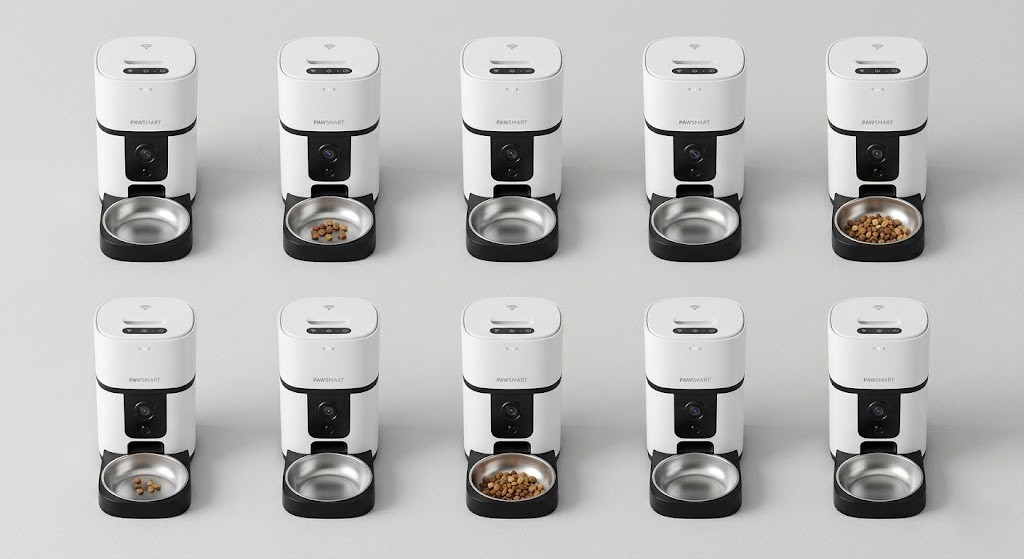
Best WiFi Pet Feeders with Camera in 2026 (We Tested 10 Models)
Looking for the best WiFi pet feeder with a camera? We compared 10 top models for video quality, app reliability,…
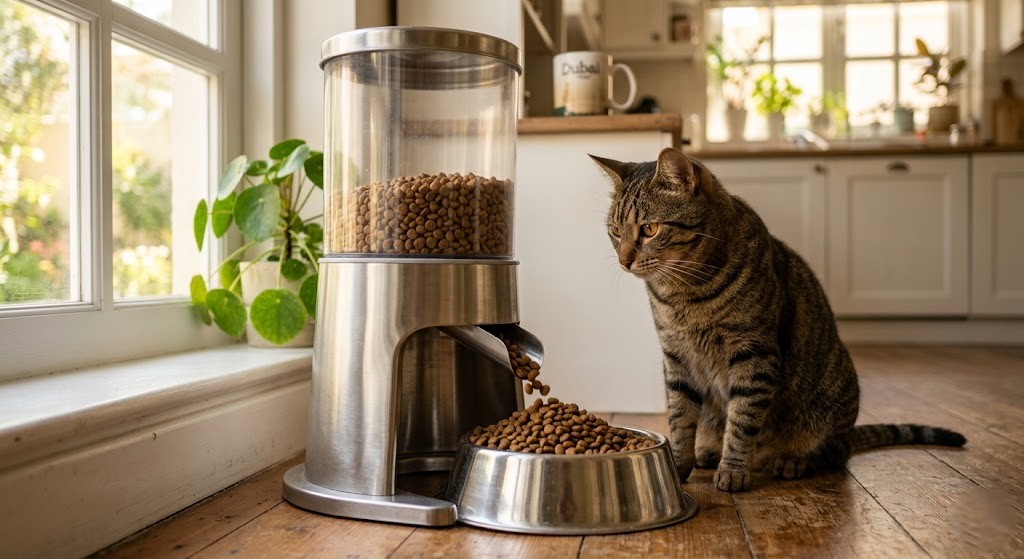
Best Gravity Pet Feeders: Top 10 for Cats and Dogs (Tested & Reviewed)
Shopping for the best gravity pet feeder in 2026? We reviewed 10 models across capacity, materials, and ease of cleaning,…
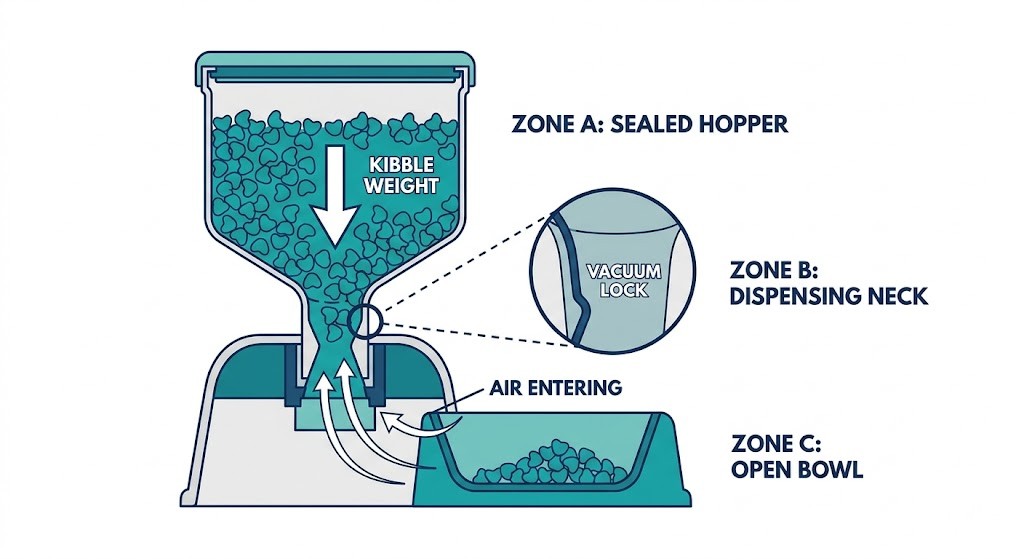
How Gravity Pet Feeders Work: Simple Physics Explained
Gravity pet feeders work by using the weight of kibble and air pressure to refill your pet’s bowl automatically as…
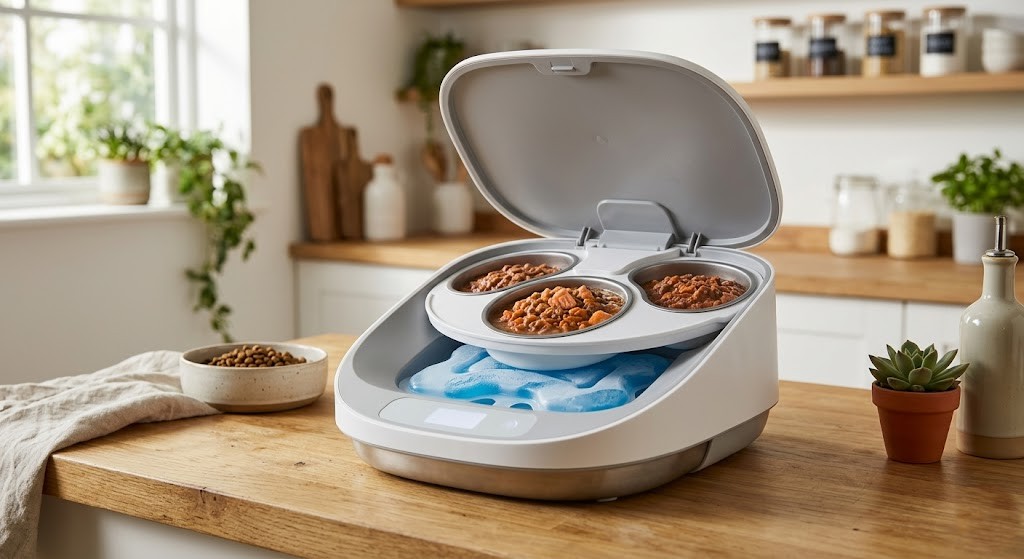
Do Automatic Pet Feeders Work with Wet Food? Truth Revealed
Most automatic feeders DON’T work safely with wet food. We tested which types do — and which ones turn into…
Setting Up Your First Automatic Pet Feeder: 10-Step Guide
Follow this 10-step guide to setting up an automatic pet feeder correctly the first time. Covers portions for cats and…
Are Automatic Pet Feeders Safe? Safety Guide + Expert Tips
Are automatic pet feeders safe? Our vet-backed safety guide covers the 4 main risks, must-have features, and cleaning tips —…
Frequently Asked Questions
Get answers to common questions about bird feeders
What’s the best material for bird feeders?
Stainless steel is the best material for bird feeders. It’s non-toxic, rust-proof, doesn’t harbor bacteria in scratches, dishwasher-safe, and lasts for years. Avoid painted or coated metals that birds can chip off. BPA-free plastic is acceptable for budget options but requires more frequent replacement and thorough cleaning.
How often should I clean bird feeders?
Clean bird feeders daily with hot soapy water. Birds are messy eaters and food contaminated with droppings can cause serious illness. Dishwasher-safe feeders make daily cleaning easy. Do a deep clean weekly with bird-safe disinfectant. Replace food and water daily, even if containers aren’t empty.
How do I prevent seed waste and mess?
Use feeders with high sides or seed guards to minimize scatter. Hopper-style feeders reduce waste by dispensing only what’s needed. Place a seed catcher tray or mat below the cage. Switch to pellets instead of loose seeds – birds can’t selectively pick and drop. Don’t overfill feeders; birds often toss excess food.
Can multiple birds share one feeder?
It depends on your birds’ personalities and species. Aggressive birds may guard food, preventing others from eating. Provide multiple feeding stations – at least 2-3 feeders for a pair of birds, spread around the cage. This reduces competition and ensures all birds get adequate nutrition. Monitor eating habits to ensure no bird is being bullied away from food.
What size feeder does my bird need?
Feeder size depends on bird size and species. Finches and canaries: 4-8 oz feeders. Parakeets and cockatiels: 8-12 oz. Small parrots and conures: 12-16 oz. Large parrots: 20-30 oz. Very large birds (macaws, cockatoos): 30-40 oz. The feeder should be deep enough so birds can reach food comfortably but not so large that food sits too long and spoils.
Ready to Find the Perfect Bird Feeder?
Browse our expert reviews and find the ideal feeding solution for your feathered friend today.